
An Indonesian Pantry Guide for Melbourne Cooks
September 5, 20262 min readAlfa Indo Grocery Team
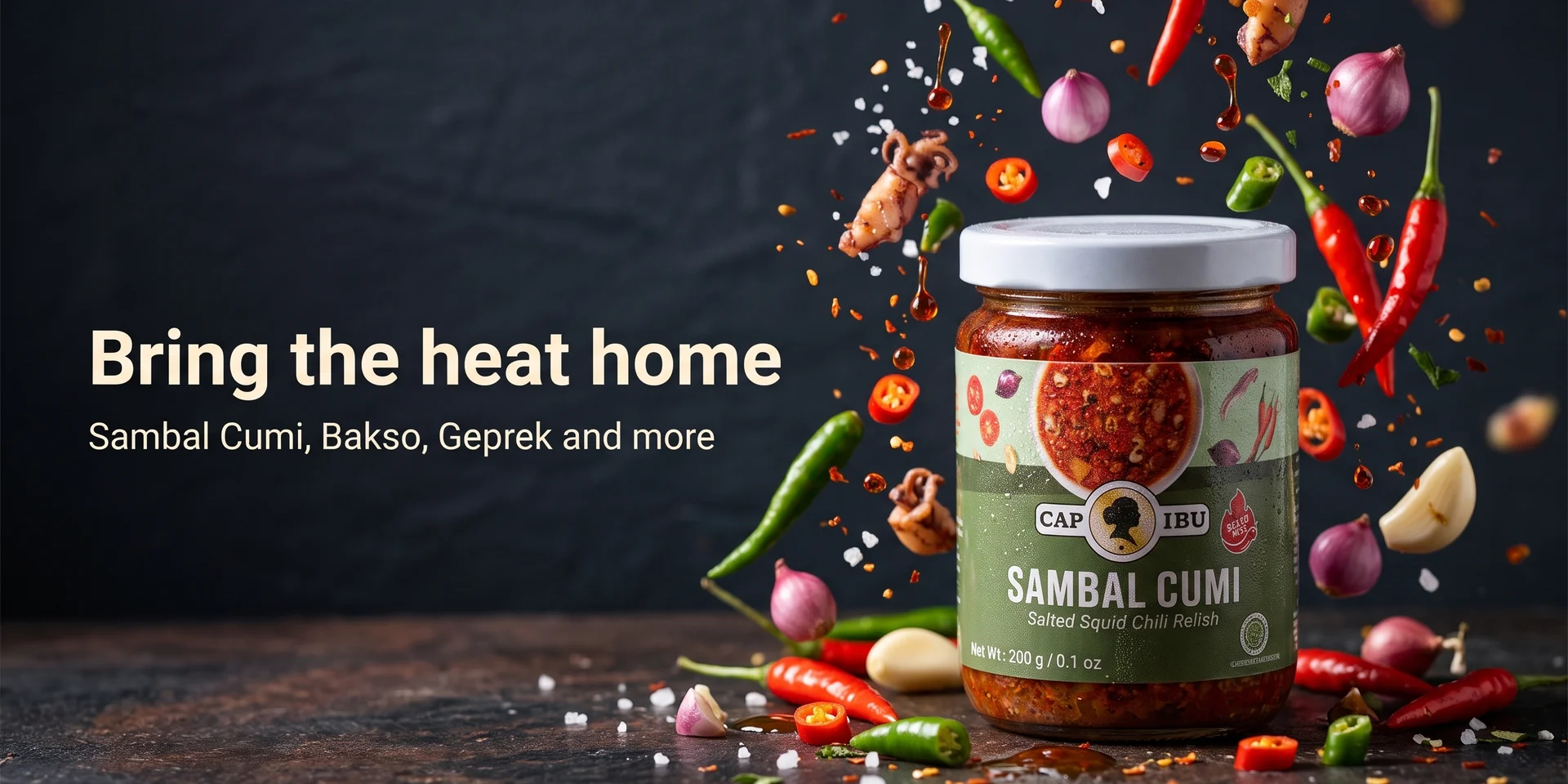
Kecap manis, sambal, terasi, bumbu, kerupuk and tempe. What each one is and how to use it, in plain English.
If you've eaten Indonesian food and wondered how to make it at home, it mostly comes down to a handful of pantry staples. Here's what they are and what to do with them.
Kecap manis
Sweet soy sauce, thick and dark, made with palm sugar. It's what makes nasi goreng taste like nasi goreng. Don't swap it for regular soy sauce. ABC and Bango are the two names you'll see most.
Sambal
Chilli sauce, and there are hundreds of styles. Sambal bawang has lots of garlic or shallot, sambal terasi has shrimp paste and a deep savoury taste, and sambal bakso is made for meatball soup. Start with one bottle and work your way along the shelf.
Terasi
Fermented shrimp paste. It smells strong in the packet, but a small piece, toasted in a dry pan, gives sambal and stir-fries their depth. Use a little at a time.
Bumbu
Ready-made spice pastes or mixes for a specific dish: rendang, opor (coconut chicken), soto (turmeric soup), nasi goreng. Plenty of Indonesian home cooks use them on busy nights.
Kerupuk
Crackers. Some are ready to eat; others come as hard discs that you drop into hot oil and watch puff up in seconds. Prawn, fish, garlic and tapioca are the classics. Serve them on the side of almost anything.
Tempe
Fermented soybean cake, firm and nutty, and full of protein. Slice it and fry it, or simmer it in kecap and spices for tempe bacem. We keep it frozen so it stays fresh.
Your first shopping list
- A bottle of kecap manis
- One sambal
- A small block of terasi
- A packet of kerupuk
- A block of tempe
With those you can make nasi goreng, tempe goreng with sambal, and a proper plate of rice with crackers on the side. Come and find them at 201 Lonsdale Street, or ask us to help.
Share
Written by